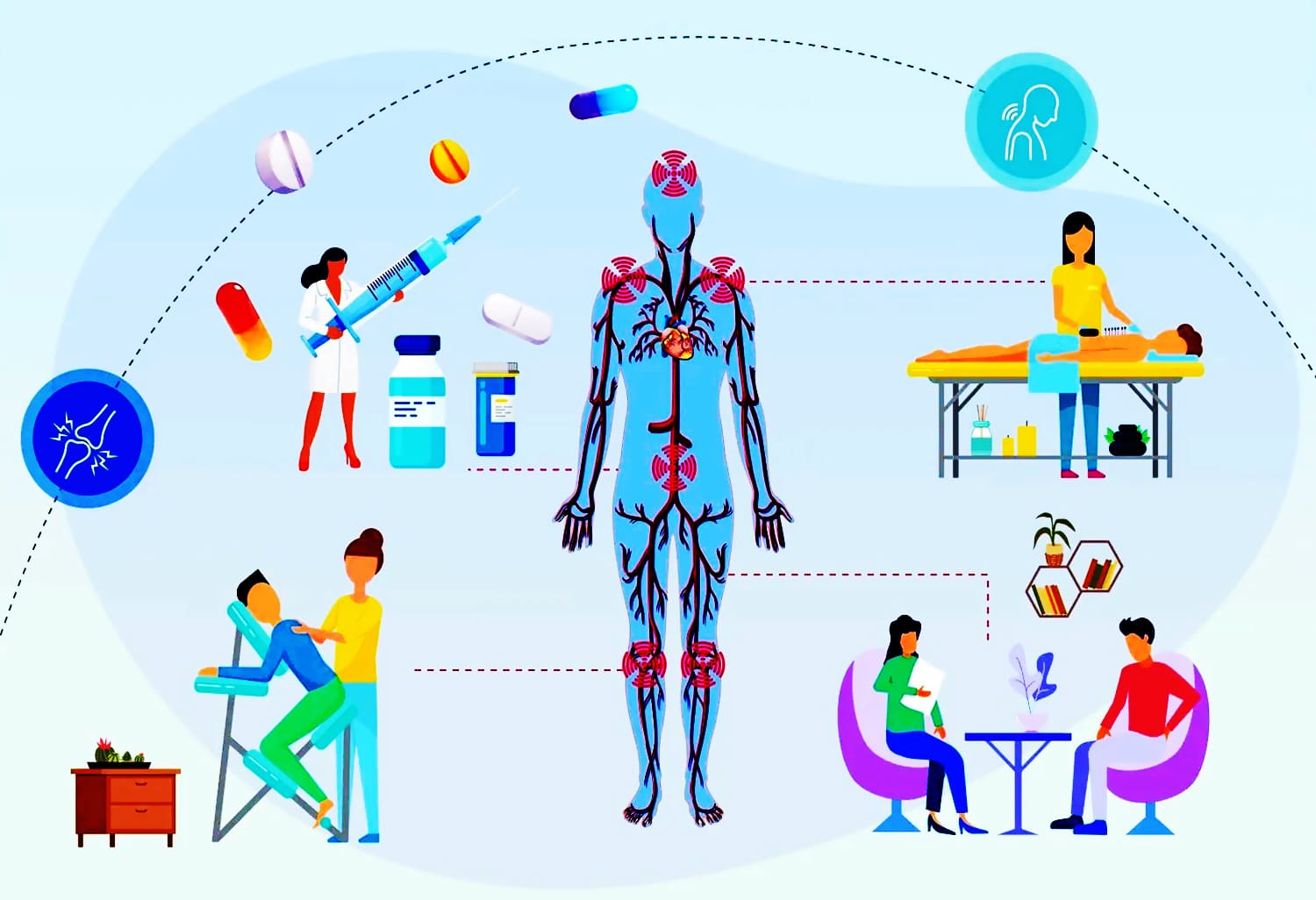
Complementary and alternative treatments are traditional healing methods that have been used for centuries across various cultures around the world.
These therapies originated long before the development of modern medicine and continue to be practiced today, often alongside conventional medical treatments.
Many people choose these methods to support recovery, manage chronic conditions, and improve overall well-being.
Some of the most well-known complementary and alternative therapies include acupuncture, yoga, meditation, herbal medicine, and breathing techniques.
Although these practices are ancient, they remain relevant and widely used in modern society due to their holistic approach to health.
One such therapy is cupping therapy, an ancient healing method that dates back to ancient Egypt, China, and the Middle East, and continues to be practiced globally today.
In Indonesia, Grandmaster Oxidant Releasing Therapy Candra P. Pusponegoro, together with the professional team at Bekam Batam Bengkel Manusia Indonesia in Batam.
He has extensive experience in managing pain and various health conditions using both medical and alternative treatment approaches.
Among the therapies offered, cupping therapy has become one of the most sought-after methods due to its potential benefits and long-standing tradition.
What Is Cupping Therapy?
Cupping therapy is a traditional healing technique that involves placing specially designed cups—made of glass, bamboo, silicone, or plastic—on specific areas of the body.
These cups create suction on the skin, which is believed to stimulate healing processes and restore balance within the body.
Cupping is commonly used to help manage conditions such as muscle pain, joint stiffness, inflammation, fatigue, migraines, respiratory issues, and circulation problems.
In many cases, cupping therapy is also used as a complementary treatment to enhance the effectiveness of conventional medical care.
How Does Cupping Therapy Work?
In traditional cupping methods, a therapist briefly ignites a flammable substance—such as alcohol, herbs, or paper—inside the cup.
Once the flame consumes the oxygen, the cup is quickly placed upside down on the skin.
As the air inside cools, a vacuum is created, causing the skin and underlying tissue to rise into the cup.
This suction effect increases local blood flow, dilates blood vessels, and stimulates the surrounding tissues.
The skin usually becomes red or purplish due to increased circulation, a normal response that indicates the therapy is working.
The cups are typically left in place for about three minutes. Modern cupping techniques use manual or electric vacuum pumps instead of fire, making the procedure safer and more controlled.
Depending on the patient’s condition, a session may involve one to five cups or more.
Many practitioners believe cupping works by inducing hyperemia (increased blood flow to tissues) and supporting hemostasis, helping the body reduce inflammation, relieve pain, and promote natural healing.
Wet Cupping vs Dry Cupping
There are two primary types of cupping therapy: dry cupping and wet cupping.
Dry cupping is the standard method described above, where suction is applied without breaking the skin.
This technique is commonly used to relieve muscle tension, improve circulation, and promote relaxation.
Wet cupping is a variation in which the skin is lightly punctured before or after applying suction, allowing a small amount of blood to be drawn out.
In some practices, dry cupping is performed first, followed by skin puncturing and a second suction phase.
Wet cupping is traditionally believed to help remove stagnant blood, toxins, and metabolic waste from the body.
At least one scientific study suggests that wet cupping may assist the kidneys in eliminating heavy metals from the body, highlighting its potential detoxification benefits.
After Effects and Safety
Both dry and wet cupping commonly leave round marks or bruises on the skin. These marks are not painful and usually fade within three to seven days.
After wet cupping, an antiseptic ointment may be applied to reduce the risk of infection. The number of sessions required depends on the individual’s condition, overall health, and treatment goals.
When performed by trained professionals, cupping therapy is generally safe and well-tolerated.
Conclusion
Cupping therapy remains a valuable complementary and alternative treatment with deep historical roots and growing modern acceptance.
By improving circulation, reducing inflammation, and supporting the body’s natural healing processes, cupping can be an effective option for pain management and overall health maintenance.
If you are interested in exploring the benefits of cupping therapy, consider scheduling an appointment with Grandmaster Candra P. Pusponegoro.
The experienced team at Bengkel Manusia Indonesia in Batam to learn how this time-tested therapy may support your health and well-being.