Wet cupping, also known as hijama (Arabic language) is an therapy where suction cups create a vacuum on the skin, followed by tiny skin incisions to draw out a small amount of blood.
It is aiming to relieve pain, inflammation, and improve circulation for conditions like migraines or hypertension.
It’s a two-step process: first, cups are applied to bring blood to the surface (dry cupping), then removed, skin is pricked, and cups are reapplied to extract blood, supposedly removing toxins and promoting healing.
How it Works?
Suction: cups (glass or plastic) are placed on specific areas for a few minutes, creating suction that draws blood to the surface, causing redness.
Incision: the cups are removed, and a sterile blade makes light, tiny cuts (scarifications) on the skin.
Blood removal: cups are reapplied, and suction draws out a small amount of blood, which may appear clotted or bubbly.
Sterilization: the area is then cleaned and sterilized.
Potential uses
- Promoting relaxation
- Improving blood flow
- Reducing inflammation
- Lowering blood pressure in hypertension
- Pain relief (migraines, musculoskeletal issues)
- Etc
Key Differences from Dry-Wet Cupping
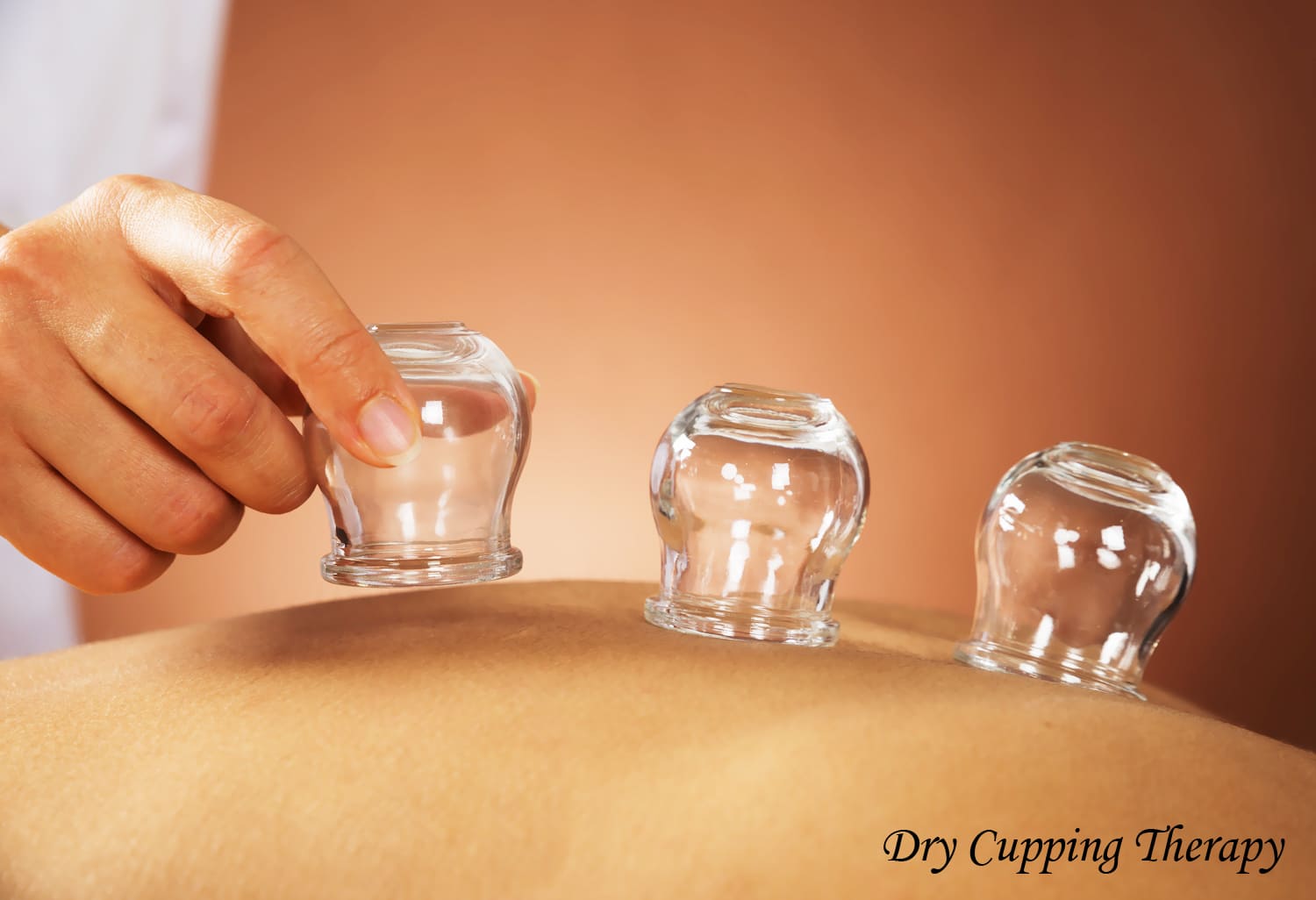
Dry cupping: only uses suction to create a vacuum, leaving round bruises. Wet cupping: Adds the step of drawing blood after the skin is pricked.
Cupping therapy is a therapeutic technique that utilizes a vacuum force created beneath a small vessel applied onto the skin’s surface.
This approach focuses on blood and autologous healing substances in a specific area, stimulating metabolic activity, improving immune function, and stabilizing blood biochemistry.
History of Cupping Therapy
Cupping therapy has been a traditional practice dating back to ancient times.
This therapy was practiced by the Egyptians and Macedonians around 5500 years ago, and Egyptians later introduced this method to the Greeks.
Cupping therapy was documented and endorsed in diverse civilizations, including China and Rome, as well as within the collective traditions (hadiths) of the Prophet Muhammad during the initial 6 centuries of the Common Era.
Over time, cupping therapy extended to numerous parts of the world and has been consistently utilized, except in the United States, where it declined in popularity during the late 19th and early 20th centuries.
Cupping has traditionally carried folkloric, cultural, religious, and spiritual significance within various societies.
Within certain traditional Muslim communities, adhering to specific ceremonial practices was believed to improve treatment outcomes, resulting in regulations restricting the anatomical regions where cupping could be administered.
In traditional Eastern Medicine, cupping therapy was closely associated with acupuncture, whereas in Taoism, it was used to harmonize Qi by balancing Yin (negative energy) and Yang (positive energy).
In India, Ayurvedic medicine also incorporates a blood detoxification technique known as Ghati yantra, which bears similarities to wet cupping.
In certain less-dominant cultural and religious traditions, shamanic leaders utilized the cupping method to safeguard their communities from illnesses believed to be of demonic origin.