From a scientific perspective, the incisional method has been shown to be more effective in removing stagnant blood and toxins from the superficial layers of the skin compared to puncture-based methods.
It is narrated from Ibn ‘Abbas (may Allah be pleased with him) that the Prophet Muhammad ﷺ (peace and blessings be upon him) said:
الشِّفَاءُ فِي ثَلَاثَةٍ فِي شَرْطَةِ مِحْجَمٍ أَوْ شَرْبَةِ عَسَلٍ أَوْ كَيَّةٍ بِنَارٍ وَأَنَا أَنْهَى أُمَّتِي عَنْ الْكَيِّ
“Healing is found in three things: in the incision of cupping, in drinking honey, and in cauterization with fire. However, I forbid my nation from cauterization” (Narrated Al Bukhari Number 5680).
It is also narrated from Jabir ibn Abdullah (may Allah be pleased with him) that he heard the Prophet Muhammad ﷺ (peace and blessings be upon him) say:
إِنْ كَانَ فِي شَيْءٍ مِنْ أَدْوِيَتِكُمْ أَوْ يَكُونُ فِي شَيْءٍ مِنْ أَدْوِيَتِكُمْ خَيْرٌ فَفِي شَرْطَةِ مِحْجَمٍ أَوْ شَرْبَةِ عَسَلٍ أَوْ لَذْعَةٍ بِنَار وَمَا أُحِبُّ أَنْ أَكْتَوِيَ
“If there is any good in the treatments you use, then it is in the incision of cupping, in drinking honey, and in cauterization with fire. And I do not like cauterization” (Narrated by Al Bukhari Number 5704 and Muslim Number 2205).
Both of these hadiths, as well as other related narrations, consistently use the term sharṭah (incision). None of the authentic narrations mention puncturing or injection techniques.
The Meaning of Sharṭah (Incision)
The word sharṭah derives from the Arabic root letters shin, ra’, and ta’ which convey the meaning of a sign or something that occurs at the beginning.
Examples of its usage include:
- Ashrat al-sa’ah: the signs of the Day of Judgment
- Sharit: cassette tape, as it contains recorded signals or markings
- Shurtah: police, so named because they bear distinctive signs or uniforms
Based on this linguistic explanation, sharṭah al-ḥijamah in the hadith refers to the incision used in wet cupping therapy, as the incision marks the initiation of the cupping process.
According to al-Mulla ‘Ali al-Qari in Mirqat al-Mafatih (13/258), al-sharṭah means cutting or incising the skin so that blood may exit during cupping.
Blood Released Through Incisional Cupping
The blood released during oxidant releasing therapy (ORT) or bekam, also known as wet cupping (hijamah), affects the central nervous system and activates several analgesic mechanisms.
Pain experienced during oxidant releasing therapy or cupping stimulates the release of neurotransmitters such as endogenous opioids, including β-endorphins, which suppress pain signals at the spinal cord level.
Another mechanism that may explain the analgesic effects of oxidant therapy is strong sensory stimulation, which leads to a reduction in pain perception over varying periods of time.
This occurs due to the inhibition of pain impulses carried by sensory nerves.
When blood is released through incisions and suction pressure is applied, localized swelling of the cupped skin occurs, leading to the release of β-endorphins and adrenocortical hormones into systemic circulation.
These substances play an important role in suppressing inflammation, particularly in inflammatory joint conditions.
In conclusion, oxidant therapy demonstrates several advantages, including observable clinical improvement, especially in pain scale reduction, and a significant decrease in disease activity.
Wet cupping may also be combined with conventional treatments in patients suffering from diabetes mellitus, renal disease, cardiovascular disease, rheumatoid arthritis, cancer, and other conditions.
Physiological Effects on Blood Pressure and Circulation
Blood removal through incisional or superficial scraping methods influences renal and vascular physiology.
Wet cupping is associated with increased nitric oxide production, which promotes vascular relaxation and vasodilation.
This reduces vascular resistance and consequently lowers blood pressure.
During suction, cutaneous nerves are stimulated and transmit impulses via A-delta and C fibers to the posterior horn of the spinal cord and through the spinothalamic tract to the thalamus, resulting in endorphin release.
Endorphins are small peptides released into the hypothalamus that improve mood and promote a sense of calm. As relaxation increases, heart rate gradually decreases.
A reduction in heart rate leads to decreased cardiac output, which is a key determinant of blood pressure. Consequently, lowering cardiac output contributes to a reduction in blood pressure.
Blood Viscosity and Lipoproteins
Blood released during oxidant therapy has a relatively high viscosity. This is due to elevated concentrations of lipoproteins exceeding normal levels.
Oxidant therapy facilitates the removal of both hydrophilic and hydrophobic substances in the form of lipoproteins.
Excessive levels of harmful lipoproteins can impair cellular physiological processes, potentially rendering cells dysfunctional.
Lipoproteins circulate in the blood primarily as low-density lipoproteins (LDL) and high-density lipoproteins (HDL).
LDL particles are larger than HDL, making them more prone to becoming lodged within blood vessels.
The removal of lipoproteins through oxidant therapy is expected to improve blood flow within blood vessels.
Since blood pressure is influenced by blood viscosity, a reduction in viscosity through oxidant therapy contributes to lowering blood pressure.
Oxidative Stress and Endothelial Function
High salt intake also contributes to elevated blood pressure. Increased plasma sodium concentration raises plasma viscosity, increasing vascular resistance and arterial pressure.
In theories of hypertension associated with free radicals and lipid peroxidation, endothelial cells become dysfunctional when exposed to harmful substances.
Lipid peroxides reduce the synthesis of nitric oxide (NO) and prostacyclin, both of which are natural vasodilators.
Endothelial dysfunction also increases the production of thromboxane A2 and endothelin, which are potent vasoconstrictors.
This imbalance between vasodilators and vasoconstrictors increases vascular resistance and leads to hypertension.
Oxidative stress occurs early in chronic kidney disease and contributes to hypertension by causing nitric oxide deficiency.
Endothelial dysfunction inhibits microvascular NO production. Therefore, wet cupping specifically targets capillary blood located at the superficial layers of the skin.
This procedure requires a high level of expertise because the skin surface contains many barriers and long-accumulated toxic residues.
Conclusion
Through wet cupping therapy (hijamah) using incisions, scratches, or superficial cuts, the type of blood described in the prophetic tradition is obtained.
If cupping is performed using puncture methods or lancets, the results may be ineffective or harmful, as the puncture is often too deep, reaching venules rather than capillaries.
Consequently, oxygen-rich blood is removed instead of toxic substances, which may cause dizziness in patients.
For this reason, the Prophet Muhammad ﷺ (peace and blessings be upon him) clearly stated:
الشِّفَاءُ فِيْ ثَلاَثَةٍ: شَرْبَةِ عَسَلٍ وَشَرْطَةِ مِحْجَمٍ وَكَيَّةِ نَارٍ وَإِنِّيْ أَنْهَى أُمَّتِيْ عَنْ الْكَيِّ
“Healing is found in three things: drinking honey, the incision of cupping, and cauterization with fire. But I (Prophet Muhammad ﷺ) forbid my nation from cauterization” (Narrated by Al Bukhari Number 5680).
The incision or cut referred to in the phrase shartah al-miḥjam is definitive. There is no authentic hadith that supports blood removal in cupping (ḥijamah) through puncture or needle-based methods.
Wet Cupping is Used for;
- Anxiety disorder
- Blood disorders
- Blood pressure
- Bronchial congestion
- Carpal tunnel
- Cervical spondylosis
- Depressive disorder
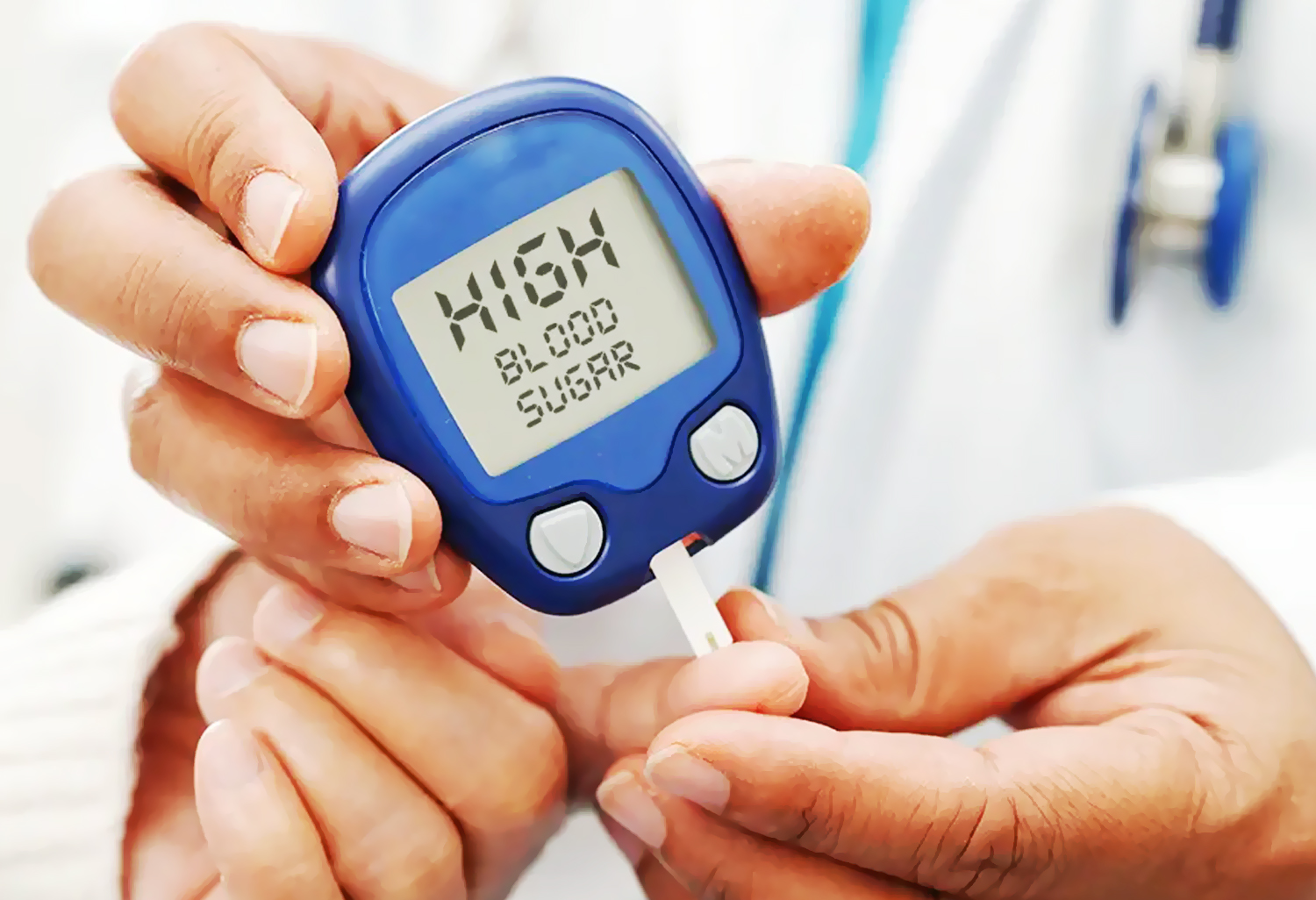
- Diabetes mellitus
- Facial paralysis
- Fertility disorders
- Fertility therapy
- Gastrointestinal disorders
- Head pain
- Heart disease
- Joint pain
- Kidney disease
- Migraine disorder
- Rheumatic disorders
- Skin disorders
- Varicose veins
- Vertigo disorder
- Other related conditions
Spiritual Praying (Ruqya)
There are two types of illness: physical and spiritual. Healing can be achieved through three approaches: scientific, natural, and divine therapy.
Ruqya, the recitation of verses from the Qur’an, is a spiritual treatment used to address disturbances caused by devils, jinn, satan, black magic, the evil eye (al ‘ain), ad dajjal-related influences, possession, and other spiritual afflictions.
Professional Cupping Services
Wet cupping services are available for men and women, from children, adults, to the elderly. Male patients are treated by male therapists and female patients are treated by female therapists.
Opening Hours (By Appointment Only)
Monday – Sunday 7:30 a.m. to 8:30 p.m.
Registration and patient reservations are handled via WhatsApp at (+62) 813-2871-2147.